


The Cékedubonheur association

Hello Narimane Khodri, you are in charge of projects for the Cékedubonheur association
Can you tell us about the main mission of “Cékedubonheur”?
The Cékedubonheur association founded in 2004, aims to bring smiles to the faces of children in hospitals and improve their daily lives. We work with nearly 110 health establishments, through a wide range of initiatives involving volunteers throughout France. This takes the form of a wide range of initiatives, including creative workshops, bedside visits, educational and cultural outings and celebrations of festive occasions, all aimed at improving the day-to-day well-being of children. Well-being being our concern, we have set up dedicated workshops to promote relaxation, strengthen muscles and reduce stress. We also offer specific breathing exercises that help to better manage emotions. The goal is to develop better self-awareness, by learning to reconnect with one’s emotions.
Some time ago, we set up the CKDBUS, a bus that travels the roads of France, designed to be as close as possible to children in hospital in the provinces. We are also working to renovate and create play areas for young patients and their families.
What types of programmes and activities do you offer specifically for young children?
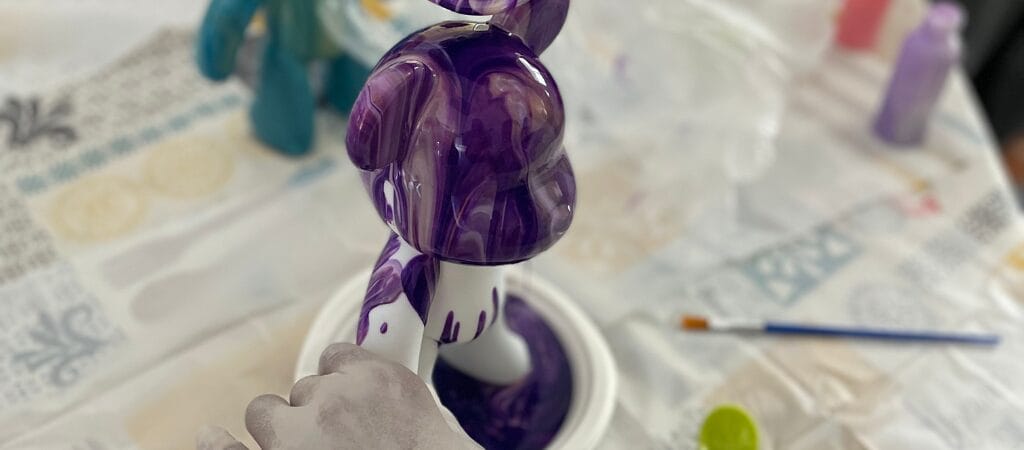
We offer a variety of activities to stimulate children’s creativity and expression. These include creative workshops where children manipulate different materials such as paint, sand or other materials to explore and create different personalised objects, as well as sound and light workshops to explore sight, hearing and vision.
We have also included sessions dedicated to well-being, where children can relax and discover new sensations, helping them to relax and develop their senses. Animal mediation, for example, is a good way of stimulating the senses through touch, observation and sound.
How do you measure the impact of your programmes on the well-being of young children?
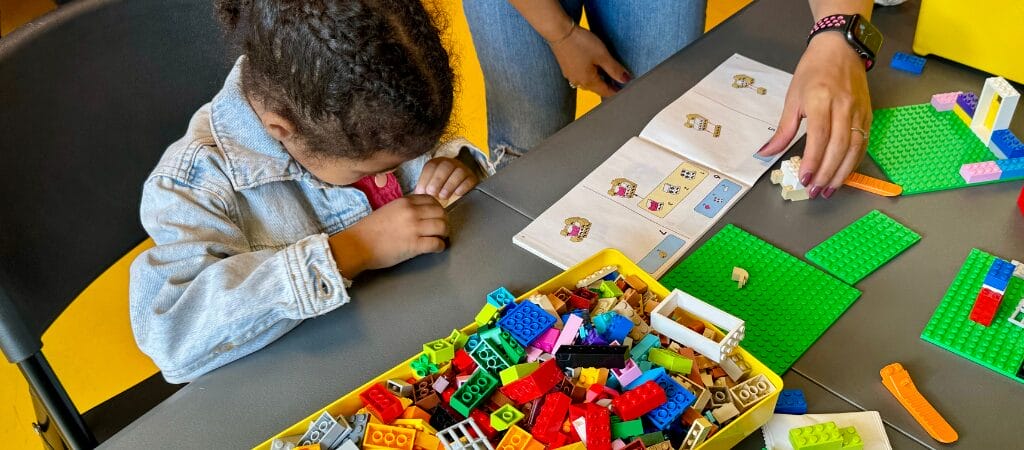
The impact of our programmes can be measured by several indicators. We carefully observe the children’s behaviour during the workshops, noting their interest, enthusiasm and enjoyment. We work closely with the educators and nursing staff to adapt our activities and respond to demand as effectively as possible. Feedback from them, as well as from our facilitators and volunteers, is essential in assessing the positive effects on the children’s well-being.
What are the main challenges you face in your efforts to support very young children?

Accompanying very young patients during their stay involves a number of issues to consider. First of all, maintaining the child’s concentration for the entire duration of the activity is one of the major challenges, especially with very young patients. Motivation can also fluctuate depending on the child’s state of health and the time of year. Lastly, as every child is different, we have to respond to their specific needs, which sometimes requires special attention and great flexibility on the part of our activity leaders and volunteers.
How do you involve families in your children’s programmes?

Although we focus our actions directly on the children, we also impact the families by enabling them to see their child happy and engaged in different activities that stimulate creativity and awakening. In a way, this relieves and alleviates the anguish of seeing their child in hospital. We have also introduced parent-child yoga sessions to enable families to come together, soothe their emotions and give them a sense of emotional well-being.
What are the association’s long-term objectives for improving the well-being of young children?
Young patients are at the heart of our concerns, and our first objective is to improve their hospital experience by offering more workshops and festive moments. With this in mind, we are committed to seeking out new opportunities for collaboration with partners and strengthening our partnerships with healthcare establishments. We’re also looking to expand our network of volunteers to ensure that we can provide high-quality services nationwide. Among the projects we want to develop, animal mediation and visual and sound workshops occupy a special place.
Animal mediation, by enabling children to interact with animals within the hospital itself, has demonstrated remarkable beneficial effects on their morale and well-being. Visual and audio workshops are designed to stimulate children’s senses, encourage self-expression and provide alternative means of communication. They aim to boost children’s self-esteem and give them a sense of achievement and joy. These activities contribute not only to their emotional well-being, but also to their cognitive and creative development. Ultimately, our aim would be to create a hospitable environment where children can not only find comfort and joy, but also develop their sensory and emotional capacities.
Thank you very much for this sharing Narimane Khodri.