


Interview with Gwenola Le Dréan – Part 2

Hello,
Today we continue our interview with Gwenola Le Dréan, physiologist and specialist in the gut-brain axis, who is a researcher at INRAE (National Research Institute for Agriculture, Food and the Environment) in the “Physiopathology of Nutritional Adaptations” laboratory (UMR 1280) which she co-directs in Nantes.
What are the effects of an unbalanced maternal diet during the prenatal period?
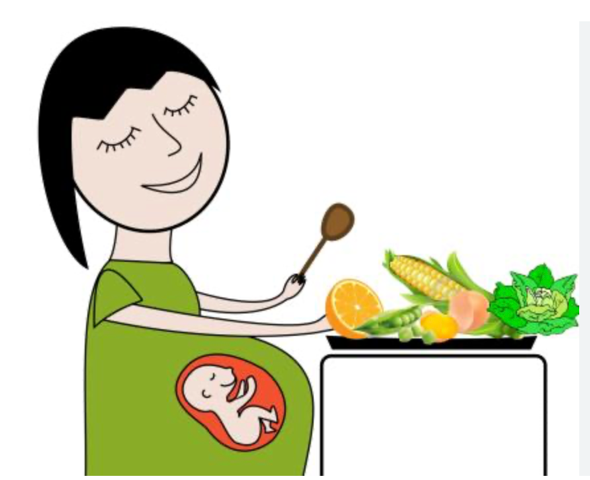
Numerous studies have documented the effects of an unbalanced maternal diet on foetal brain development and behavioural consequences later in life, such as sensitivity and response to stress in humans. This is also the case for memory processes in mice, linked to an alteration in neural progenitors, the stem cells that give rise to neurons.
Thus, ultra-processed foods, added sugars and saturated fats, and depletion of essential vitamins and micronutrients such as zinc and selenium create cellular oxidative stress that causes chronic inflammation, which affects the blood-brain barrier and the brain. Exposure to a high-calorie diet rich in fat and sugar in the context of maternal obesity is known to be associated with negative consequences for children’s mental health, particularly attention deficit hyperactivity disorder (ADHD). A hyperglycaemic environment in utero, particularly if it occurs early in pregnancy during thefirst trimester, is also associated with ADHD in children. However, in cases of maternal obesity or gestational diabetes, it is difficult to separate the effects of maternal nutrition itself from the metabolic disorders affecting the mother on the future health of the baby. Animal models remain essential for achieving this.
© David Faure
Still during this prenatal period, can you tell us more about the activation of the immune system by the microbiota and the links with diet?
In clinical terms, the perinatal period is defined as the interval between the28th week of pregnancy and the first week of life. In the literature, perinatality sometimes refers to the first 1,000 days of life, from conception to weaning and the introduction of solid foods. It should be noted that breast milk is considered by paediatricians to be the gold standard of infant nutrition. Its composition is adapted to the needs of the child during postnatal development. While the protein and lactose content of breast milk is not greatly affected by the mother’s diet, at least 30% of its lipid content depends on the mother’s intake. It is well known that certain lipids are essential for neurodevelopment and brain function, such as omega-3 polyunsaturated long-chain fatty acids. Docosahexaenoic acid (DHA) is the omega-3 fatty acid that predominates in the human brain. Its accumulation begins during thethird trimester of pregnancy and continues until the child is two years old. During this period, DHA is involved in the establishment of serotonergic and dopaminergic neurotransmission. Beneficial effects, although not systematic, of postnatal DHA supplementation on cognitive function have been reported, mainly in premature babies who did not accumulate sufficient DHA in the brain during the shortened pregnancy. However, at present, the modulation of the faecal microbiota composition of these children receiving DHA does not allow a direct causal link to be made with neurodevelopment.
On the other hand, an indirect mechanism involving activation of the immune system by the microbiota and inducing neuroinflammation, which, at critical periods of microbiota assembly and colonisation of the digestive tract, could play a major role and contribute to neurodevelopmental, behavioural and cognitive disorders. Thus, if we take the example of DHA again, supplementation increases the abundance of anti-inflammatory species such as Bifidobacterium, Lactobacillus and Akkermansia muciniphila. The metabolites produced by these bacteria, short-chain fatty acids, modulate the inflammatory response by reducing, for example, the production of interleukin-6, a pro-inflammatory cytokine. The well-documented anti-inflammatory effects of DHA could thus be mediated at least in part by its interactions with the host’s gut microbiota (5). It should also be noted that bacteria present in breast milk, such as Lactobacillus, Staphylococcus, Enterococcus and Bifidobacterium, are transferred to the infant through breastfeeding and may contribute to the assembly of the child’s microbiota. These bacteria are considered to be bioactive components of breast milk that have protective effects on the newborn’s immune system.
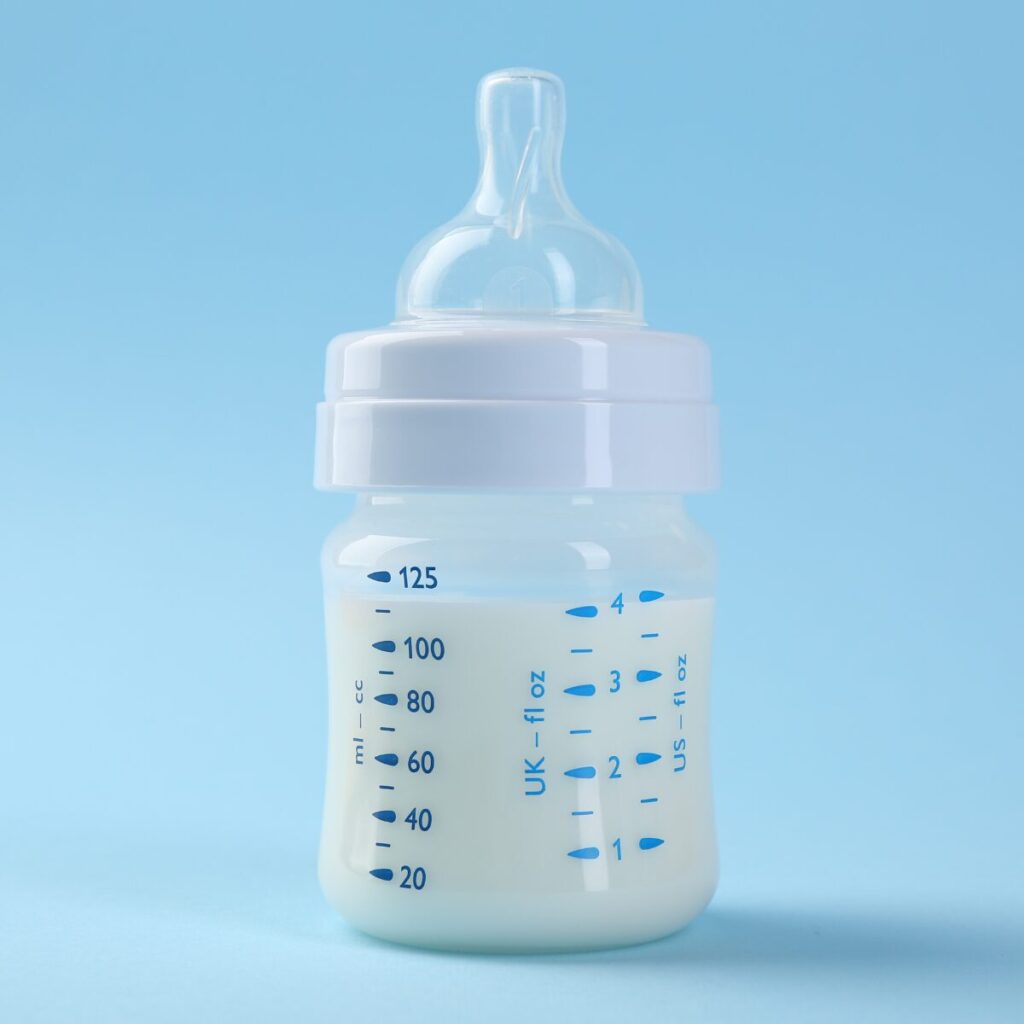
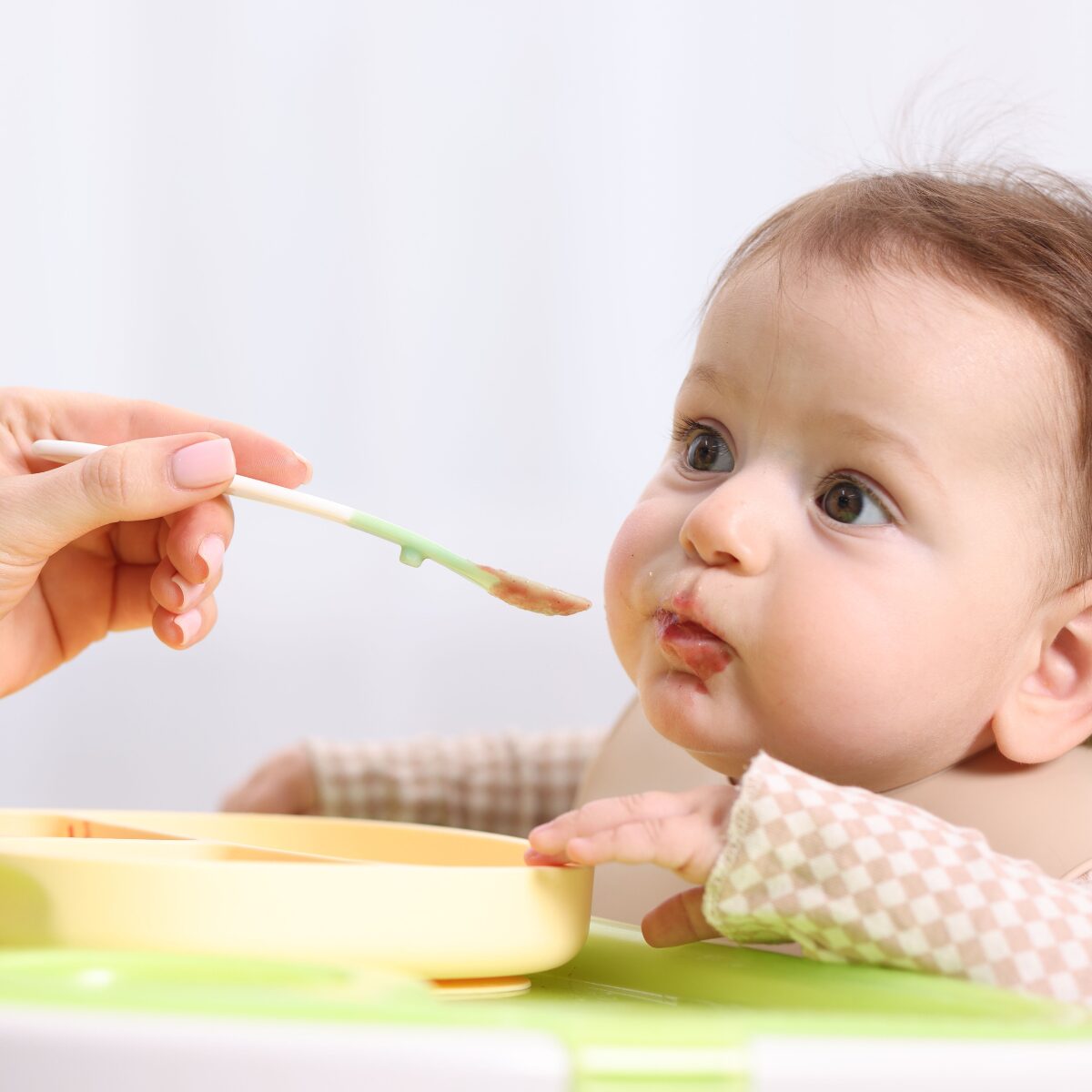
Infant formulae marketed as a replacement or supplement to breastfeeding have compositions that are similar but not identical to breast milk. They differ in particular in their protein content, which is higher in formulae in order to maintain sufficient levels of essential amino acids. Other elements are specific to human milk, such as oligosaccharides (HMOs), which are the preferred substrates for the Bifidobacteria that are predominantly present in breastfed infants. Some of these HMOs have been associated with better cognitive development in children, particularly in the context of maternal obesity, but these data remain to be confirmed. Their concentration in breast milk varies depending on the mother’s diet. A Mediterranean-type diet with little red meat, consumption of omega-3 unsaturated fatty acids, and fruit and vegetables is more favourable than a Western-type diet high in fat and sugar (6). Infant formula supplements containing HMOs or other prebiotics, also known as “fibre”, are sugars that cannot be digested by our intestines but are highly valued by bacteria. They help to modulate the composition of the microbiota of non-breastfed children towards that of breastfed children. Dietary diversification and the introduction of solid foods increase the diversity of species composing the microbiome. The metabolic capacities of this microbiota adapt to the nutrients that arrive in the gut.
After these fascinating explanations, how would you like to conclude?
In conclusion, it is important to emphasise that research into the impact of nutrition during the first 1,000 days on the microbiota-gut-brain axis is currently in full swing. The evidence of dysfunction in this axis in a growing number of diseases makes it a major therapeutic target for the future. Growing knowledge about the developmental origins of disease and health, and in particular the role of maternal and child nutrition in future health, makes this research a major challenge in disease prevention.
End of the second part of this interview. To access to the first part, click here.