


Interview with Sarah Bouasse, Alix Douchet and Amandine Vépierre
Hello Sarah Bouasse, Alix Douchet and Amandine Vépierre
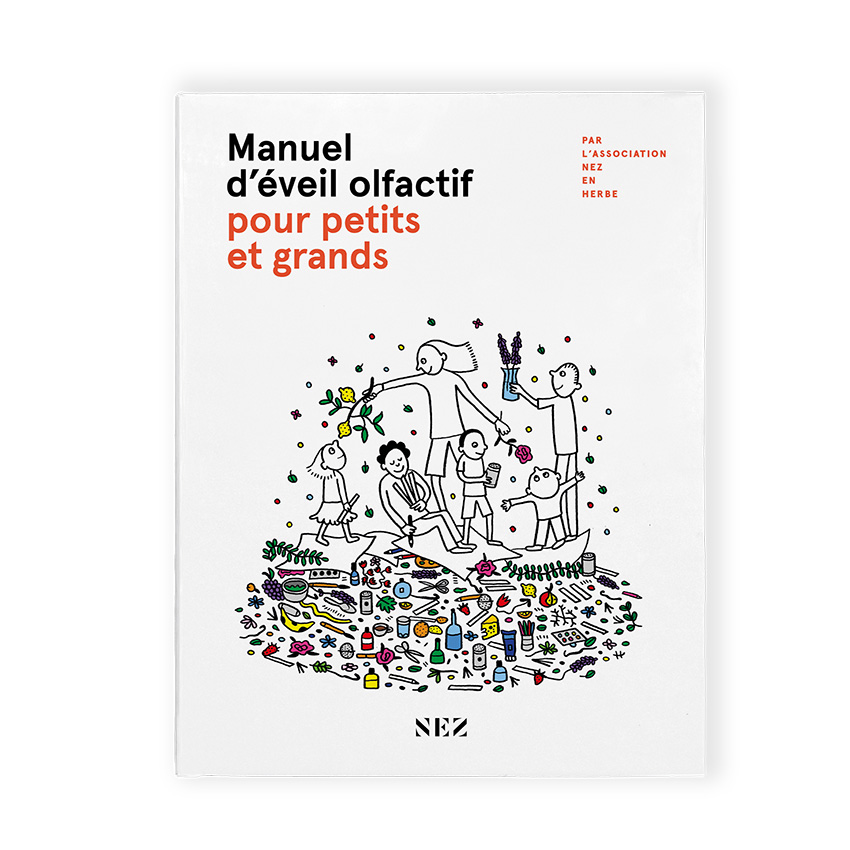
The Nez en Herbe association, a partner of the 5 Senses for Kids Foundation, has taken the initiative to write a manual on olfactory awareness for young and old alike. Can you remind us what the Nez en Herbe association is all about?
Sarah Bouasse: Nez en Herbe is an association that aims to integrate olfactory awareness into educational programmes, starting in nurseries and pre-schools. It works to put smell back at the heart of learning by creating workshops, educational resources and tools that are accessible to all.
Alix Douchet: The association brings together scientists, educators, perfume professionals and enthusiasts, driven by the conviction that smell is a lever for attention, curiosity and understanding of the world.
You are the three main authors of this manual. How did the project come about?
Amandine Vépierre: The project arose from a clearly identified need. There was no real reference point to support olfactory awareness from an early age. Parents, teachers and educators expressed a lack of guidance, structured activities and accessible explanations about this fundamental sense. Together, we wanted to fill this gap by bringing together the expertise of the members of Nez en Herbe and our experience in the field to design a book that is both inspiring and easy to use.
What does this manual contain?
Alix Douchet: This pioneering work brings together contributions from scientists, doctors, perfumers, artists and education professionals. It has been designed for everyone: teachers, parents, educators and anyone who is simply curious. It offers:
- scientific and cultural insights to better understand the sense of smell
- personal testimonials and experiences that embody and illustrate the subject
- practical, ready-to-use activity sheets
It is a comprehensive, fun and accessible resource that allows you to explore the sense of smell in all its dimensions.
How did you go about designing it?
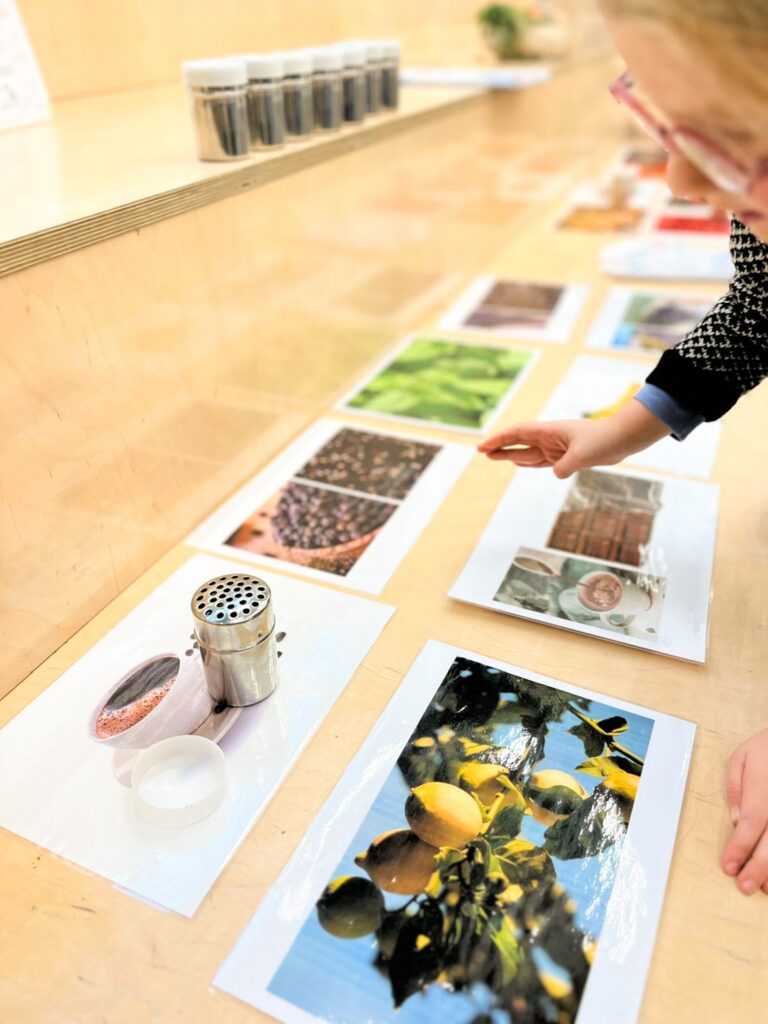
Sarah Bouasse: We worked closely together for several months, combining our expertise. We began by identifying the real needs in the field, then structured the book around a logical progression: understand, experiment, communicate. We incorporated a variety of perspectives – scientific, educational, artistic – to give the manual a unique depth and coherence. Each page was designed to be a living, adaptable and inspiring tool. And each activity was tested and adjusted to ensure its relevance and feasibility.
The design process took place in three stages:
A pedagogical adjustment phase to ensure that the manual is truly operational in the field, whether at school, in the media library or at home.
A research and structuring phase to define the main themes of the book: smell in the service of taste, artistic expression and communication, well-being, openness to the world and memory.
A creative phase to interview experts, write content and develop activities: testing, rewriting, simplifying and making it fun without losing accuracy.
Amandine Vépierre: We also benefited from a collaboration that was decisive and extremely stimulating. NEZ Publishing brought valuable editorial and cultural expertise to the table. The Perfumum Endowment Fund and Cosmo-Fragrances International wholeheartedly supported the educational ambition of the project. Each of these partners contributed to the creation of this book, both in terms of its content and its scope.
What are your professions? How did your interest in smells come about?
Sarah Bouasse and Alix Douchet: We come from complementary backgrounds – journalism, consulting, olfactory therapy – but we are united by the same passion. Some of us discovered olfaction at a very early age, others through our studies or professional experiences. All three of us were struck by the evocative, mnemonic and emotional power of smells, and chose to make them the guiding thread of our respective professional activities.
From birth to old age, this sense, often cited by poets for evoking vivid or striking memories, is sorely lacking in educational programmes and deserves to be explored more from an early age. So don’t hesitate to share it with your children!
How will you use this book to promote olfactory awareness, particularly in schools and pre-schools?
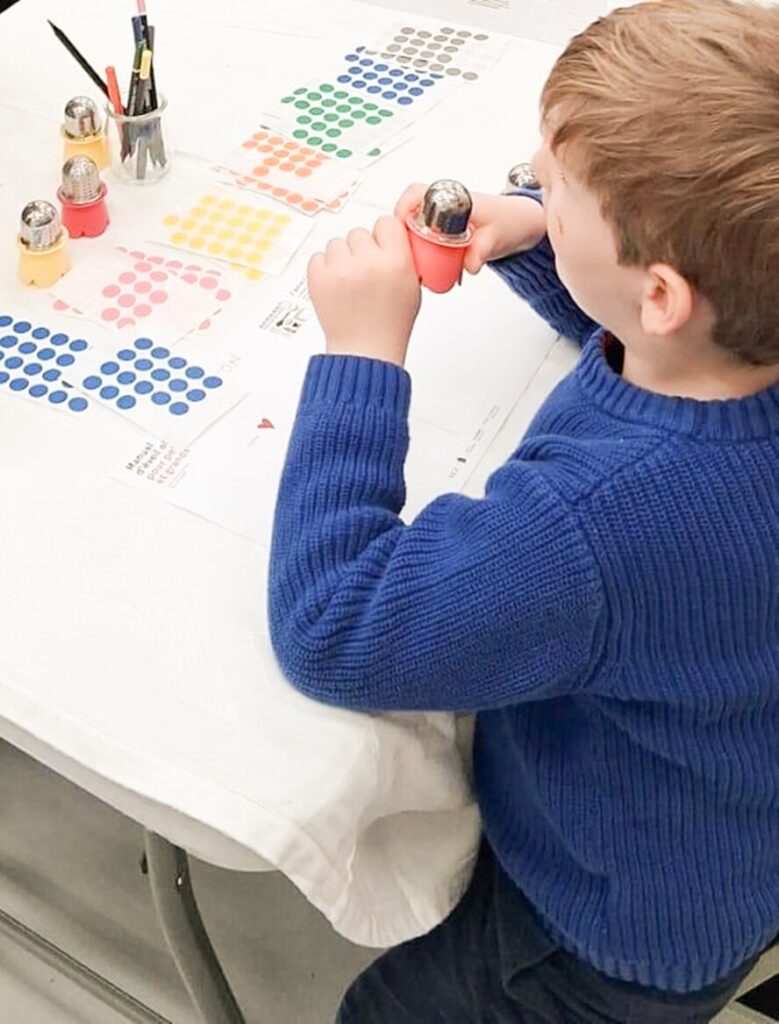
Alix Douchet: This manual is becoming a key resource for structuring our work in schools and nurseries and raising awareness/training teachers, parents and early childhood professionals. It enables us to support them more effectively by offering workshops and rolling out sensory projects tailored to different age groups.
Amandine Vépierre: From the outset, our goal with this Olfactory Awareness Manual for Young and Old was to make smell a tool for attention, creativity and openness for children from an early age, offering them a rich and lasting sensory experience.
To purchase the Manual of Olfactory Awareness for Young and Old, Nez en Herbe in French, click here.